Symposium
Past Symposiums
2026 "AI and Healthy Aging" Symposium
September 24, 2026
9:30 a.m. – 4:00 p.m.
UC San Diego Park & Market
On September 24, 2026, the Stein Institute for Research on Aging and UC San Diego Center for Healthy Aging hosted the 8th Annual Healthy Aging Symposium, bringing together more than 300 researchers, clinicians, students, and community members to explore the rapidly evolving intersection of artificial intelligence and healthy aging.
Held at UC San Diego Park & Market, the symposium featured a full day of thought-provoking presentations and engaging discussions focused on the ways AI and emerging technologies may shape the future of aging research, healthcare, independence, and quality of life.
The program featured two keynote lectures. Amy Sitapati, MD, presented “Advancing Healthy Aging and Digital Care with Applied Health Intelligence,” exploring the role of health intelligence and digital tools in advancing healthy aging and care. Jeffrey Egler, MD, presented “The Last Mile of Longevity Science: Why What We Know About Aging Well Keeps Stopping Short of the Kitchen Table,” highlighting the challenge of translating what we know about longevity and healthy aging into everyday life.
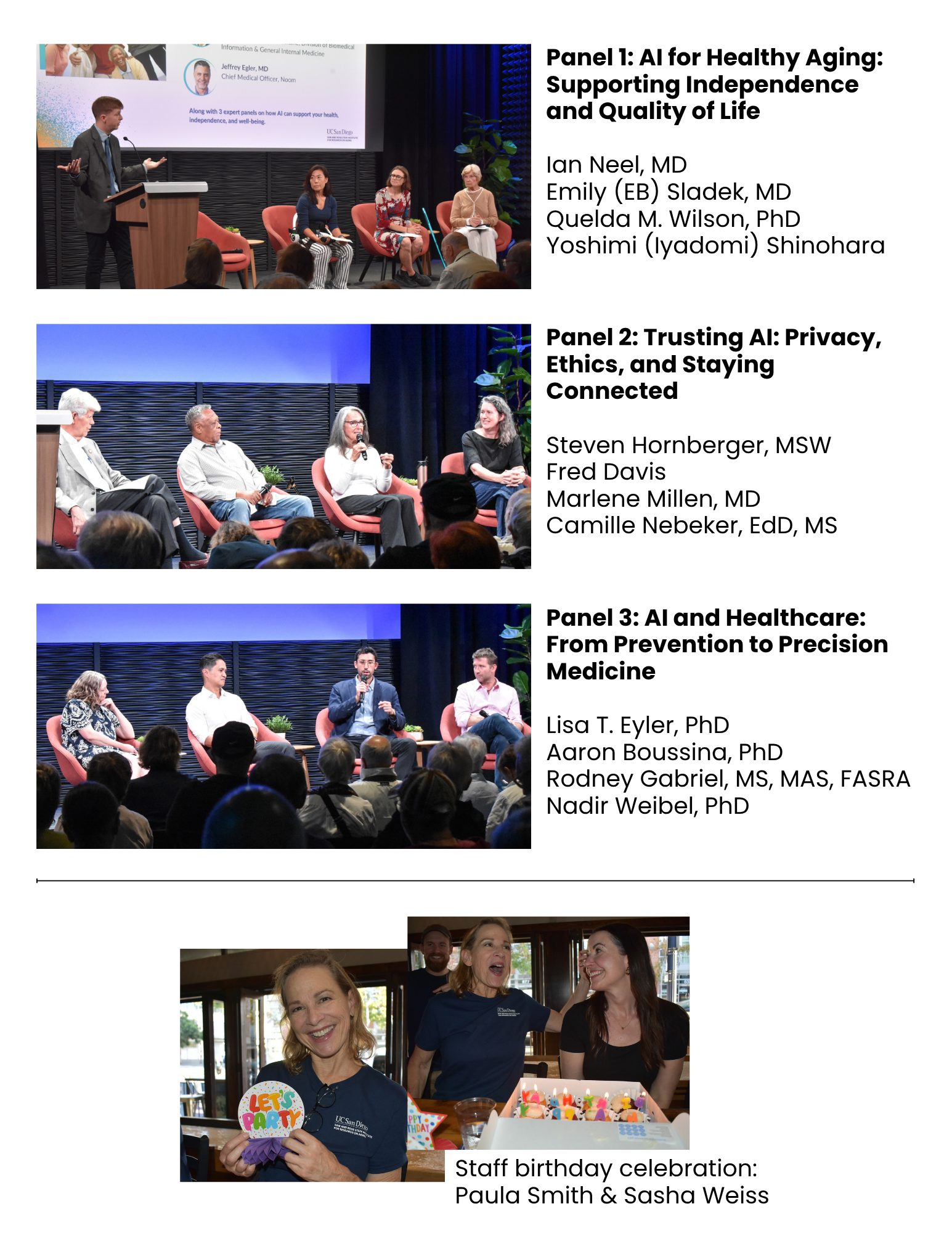
Three engaging panel discussions brought together diverse perspectives on the opportunities and challenges surrounding AI and aging:
- Panel 1: AI for Healthy Aging: Supporting Independence and Quality of Life
- Panel 2: Trusting AI: Privacy, Ethics, and Staying Connected
- Panel 3: AI and Healthcare: From Prevention to Precision Medicine
Throughout the day, speakers and panelists explored how AI can support healthier, more independent lives while also addressing important questions surrounding privacy, ethics, trust, human connection, and the future of healthcare. The enthusiastic participation of more than 300 attendees underscored the growing interest in understanding both the promise and the complexities of AI as it relates to aging.
We are grateful to everyone who joined us for the 2026 AI and Healthy Aging Symposium and helped make our 8th annual symposium such a success. We extend our sincere thanks to our keynote speakers, panelists, attendees, sponsors, partners, and volunteers for their invaluable contributions and support. Their commitment helped make this an engaging and inspiring day of learning, collaboration, and conversation.
Download PDF of Speaker Bios here
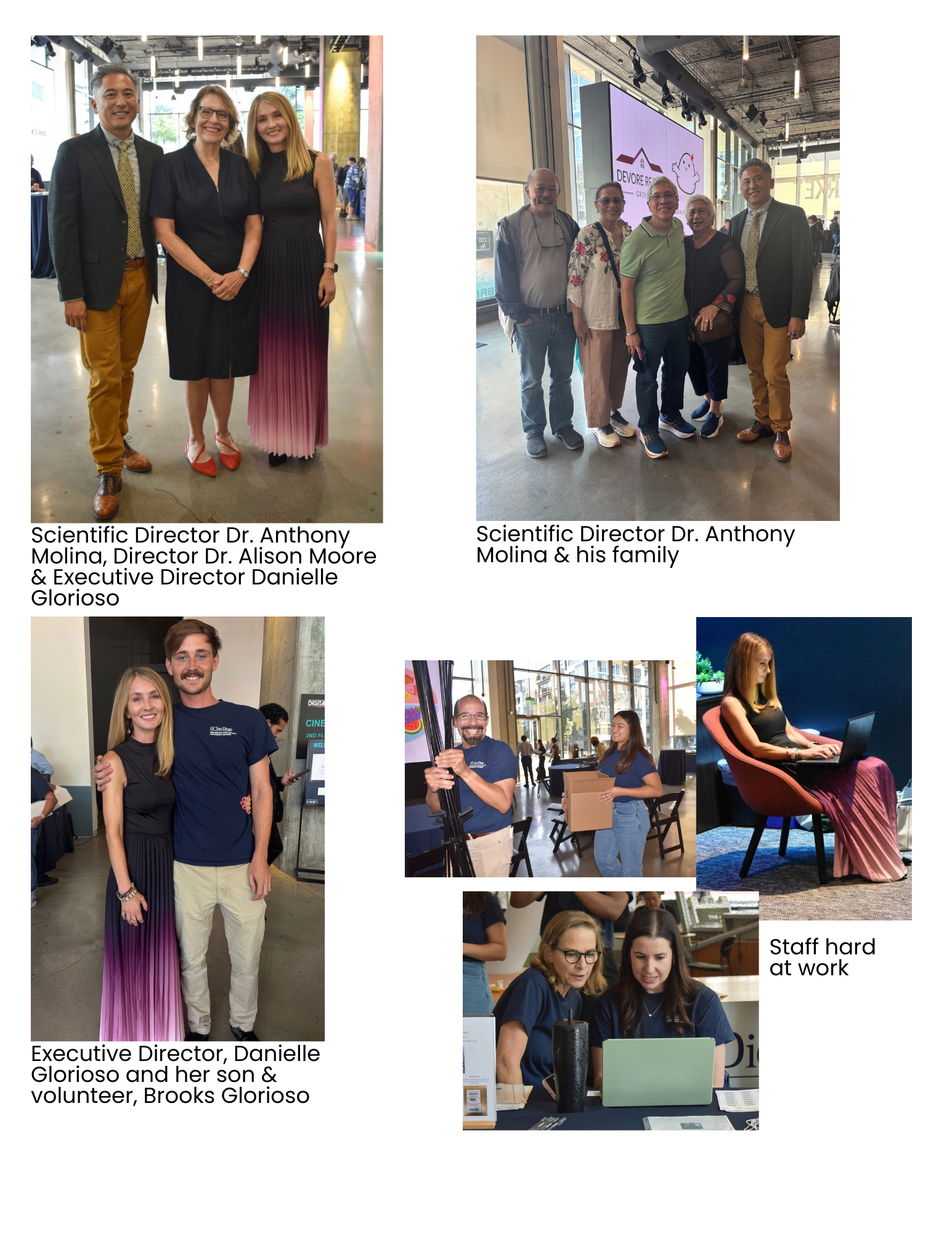
Missed the symposium? The event was recorded and will be available on UCTV in the coming months. We’ll share the recording here as soon as it is available to view! For now, please enjoy some photos!
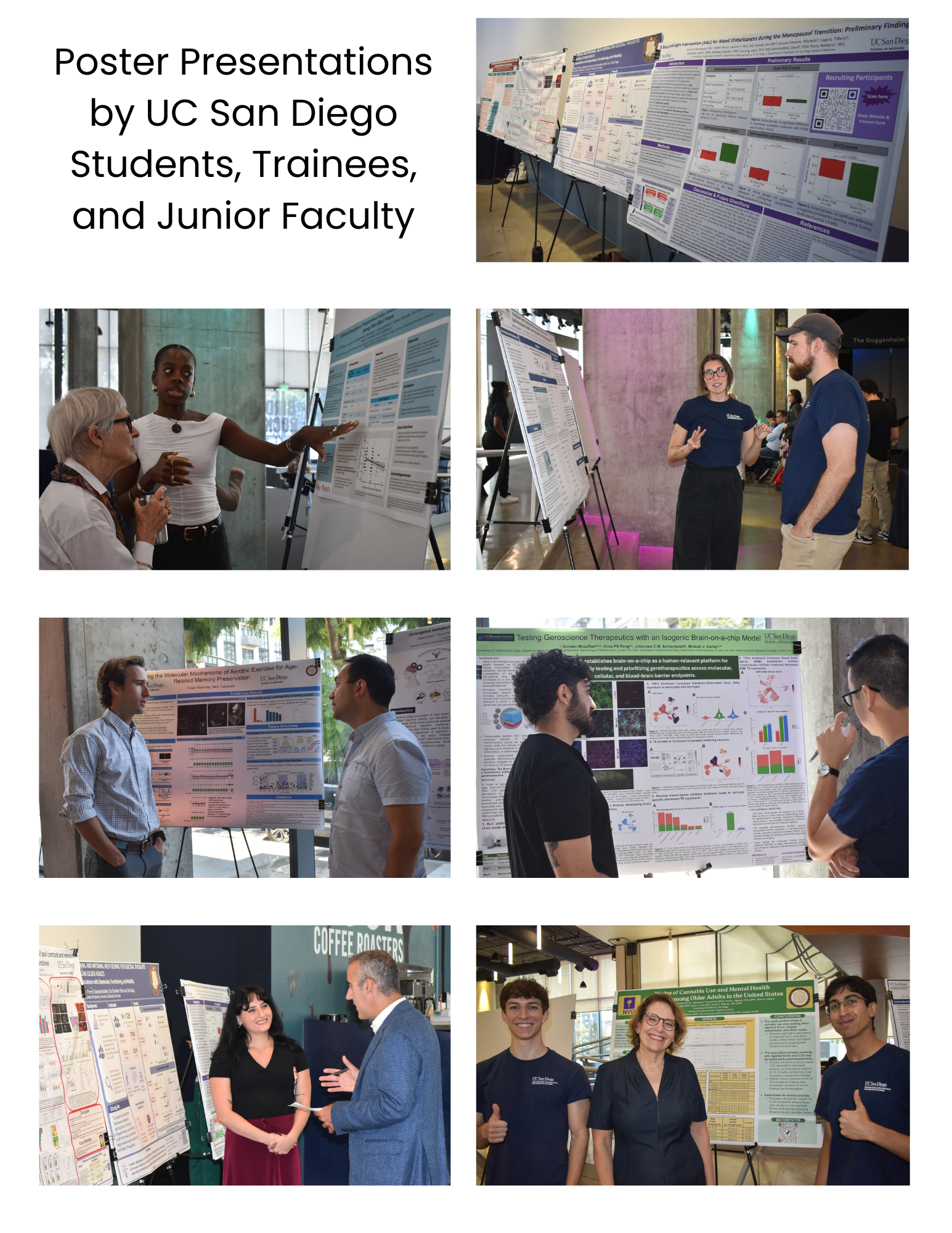
Photos from our 2026 Symposium:


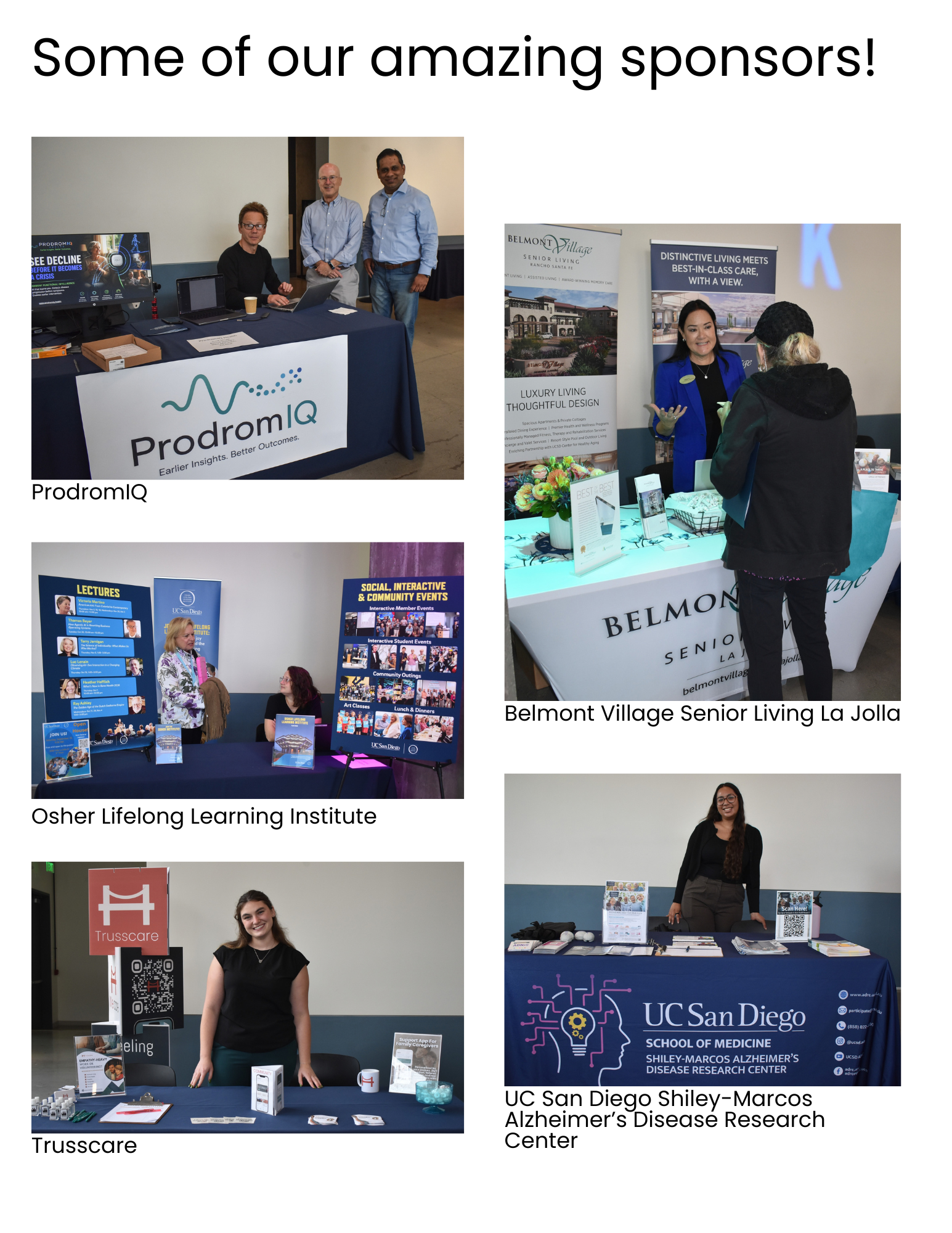
Our 2026 Symposium Sponsors:




2025 Resilience and Healthy Aging Symposium
September 25, 2025
9:30 a.m. - 4:00 p.m.
UC San Diego Park & Market
On September 25th 2025, the Stein Institute for Research on Aging and UCSD Center for Healthy Aging hosted our 7th Symposium at UC San Diego Park & Market. The event brought together leading researchers, clinicians, students, and community members for a day of thought-provoking presentations and discussions. With more than 300 attendees, the symposium was a vibrant and engaging gathering that highlighted the latest science and practical strategies for supporting resilience and healthy aging.
The program featured two keynote speakers, three panel sessions, and opportunities for meaningful dialogue across disciplines. In addition to the formal sessions, participants enjoyed several interactive activities including UCSD's Craft Center printmaking booth, poster presentations, networking with our sponsors, and a lunch performance by the Free Spirits Senior Improv Company. The positive energy throughout the venue underscored the importance of collaboration in advancing aging research and fostering healthier, more resilient communities.
We are grateful to everyone who joined us in making this symposium such a success, and we look forward to building on the momentum in the months ahead. In case you missed it, the event was recorded!
Videos from our 2025 Resilience & Healthy Aging Symposium
Resilience and Healthy Longevity with Anthony Molina
Biological resilience underpins healthy aging, and Anthony Molina, Ph.D., investigates how people resist, adapt to, and recover from age-related stressors. Molina defines three domains of resilience linked to aging and studies "life course" resilience using the Rancho Bernardo Study, a longitudinal cohort that starts in 1972 and tracks cognitive, sensory, physical function and comorbidities. His group analyzes trajectory scores from tasks such as the trail-making test and examines thousands of blood molecules to identify patterns that distinguish exceptionally resilient participants. Laboratory experiments show how age-related molecular profiles relate to mitochondrial function and ATP production. Molina's team also tests behavioral and nutritional interventions in rigorously designed clinical studies, combining molecular biomarkers of biological age with measures of physical performance, cognition, sensory abilities, and mental well-being.
The Science of Bouncing Back: How Resilience Changes Across the Lifespan
Heather E. Whitson, MD, MHS explores how resilience—the ability to recover and adapt after stress or illness—changes across the lifespan. She explains that bounce back slows with age and that people age at different rates, influenced by biology, lifestyle, and environment. Studies connect lower inflammation, stronger cellular health, and emotional well-being to better recovery, such as regaining mobility after hip fracture or coping with persistent pain. Whitson also highlights how changes in the brain, like the buildup of amyloid and tau proteins, begin years before memory problems, underscoring the importance of early prevention. She points to practical steps that support resilience at any age: staying active, eating a Mediterranean style diet, managing blood pressure and blood sugar, protecting vision, engaging socially and mentally, prioritizing sleep, avoiding harmful exposures, and preventing injuries.
Physical Health and Resilience
Healthy aging starts with physical resilience, the body's ability to withstand and recover from stress. Maile Young Karris, M.D., defines the concept and sets the stage for practical strategies that match real-world needs. Ryan J. Moran, M.D., M.P.H., recommends simple routines such as wall push ups, posture alignment, and chin tucks, and he links posture and vision to fall prevention; social connection helps people stick with movement. Theodore Chan, M.D., F.A.C.E.P., F.A.A.E.M., explains that age alone is a poor predictor of outcomes in acute care and that functional resilience strongly influences decisions. Gail Levine emphasizes accountability, community, and balanced nutrition. Moran highlights protein needs of about 1 to 1.2 grams per kilogram plus calcium with possible vitamin D, and he favors plant focused eating with limited processed foods.
Translational Geroscience: Using Aging Research to Improve Resilience in Older Adults
Targeting the biology of aging offers a path to stronger resilience and longer health. John C. Newman, M.D., Ph.D., explains that aging arises from measurable cellular processes, often called hallmarks of aging, including changes involving mitochondria, stem cells, cellular senescence, inflammation, and protein quality control. Newman describes how basic science in model organisms reveals mechanisms that can be manipulated to extend healthy lifespan and guide therapies. Emerging approaches aim either to strengthen stress responses that make cells more resilient or to address downstream consequences. Many clinical studies across the country now test interventions that target aging, supported by national efforts to standardize methods and expand training. Newman also investigates ketone bodies as energy sources that influence inflammation, muscle preservation, and other processes relevant to frailty and recovery.
Cognitive Health and Resilience
Cognitive resilience grows from small, consistent habits that keep the brain adaptable. Fadel Zeidan, Ph.D., frames mindfulness as mental training that improves attention, processing, and the way people relate to pain. Erin E. Sundermann, Ph.D., underscores modifiable pathways to healthier aging, highlighting movement, social connection, hearing support, and lifelong learning as mutually reinforcing drivers of brain health. Raenne C. Moore, Ph.D., centers practical strategies that translate into daily life, including routines, planned breaks, reducing distractions, and attending to anxiety or depression. Carolyn Dunmore, an older adult community Mmmber, exemplifies resilience through steady activity, purposeful community roles, faith, self-compassion, and the "use it or lose it" mindset. Together, Zeidan, Sundermann, Moore, and Dunmore point to a clear theme: everyday practices accumulate to support memory, attention, and well-being as people age.
Mental Health and Resilience
Psychological resilience in later life examines how older adults adapt after adversity and cultivate everyday practices that sustain well-being and purpose.Elizabeth W. Twamley, Ph.D., introduces and guides a discussion on mental health and resilience among older adults. Ellen E. Lee, M.D., characterizes resilience as dynamic learning oriented toward flourishing and urges a low threshold for seeking help when symptoms overwhelm daily routines. Sidney Zisook, M.D., presents grief as adaptation to loss, distinguishes acute from integrated grief, and explains how intense waves of emotion gradually become less frequent and more manageable; he views psychedelic therapies as promising but not ready for routine treatment. Marti E. Kranzberg shares practical approaches that include mindfulness, journaling, gratitude, movement, sleep, pain management, creative arts, time in nature, community, and purpose.
View on UCTV
Photos


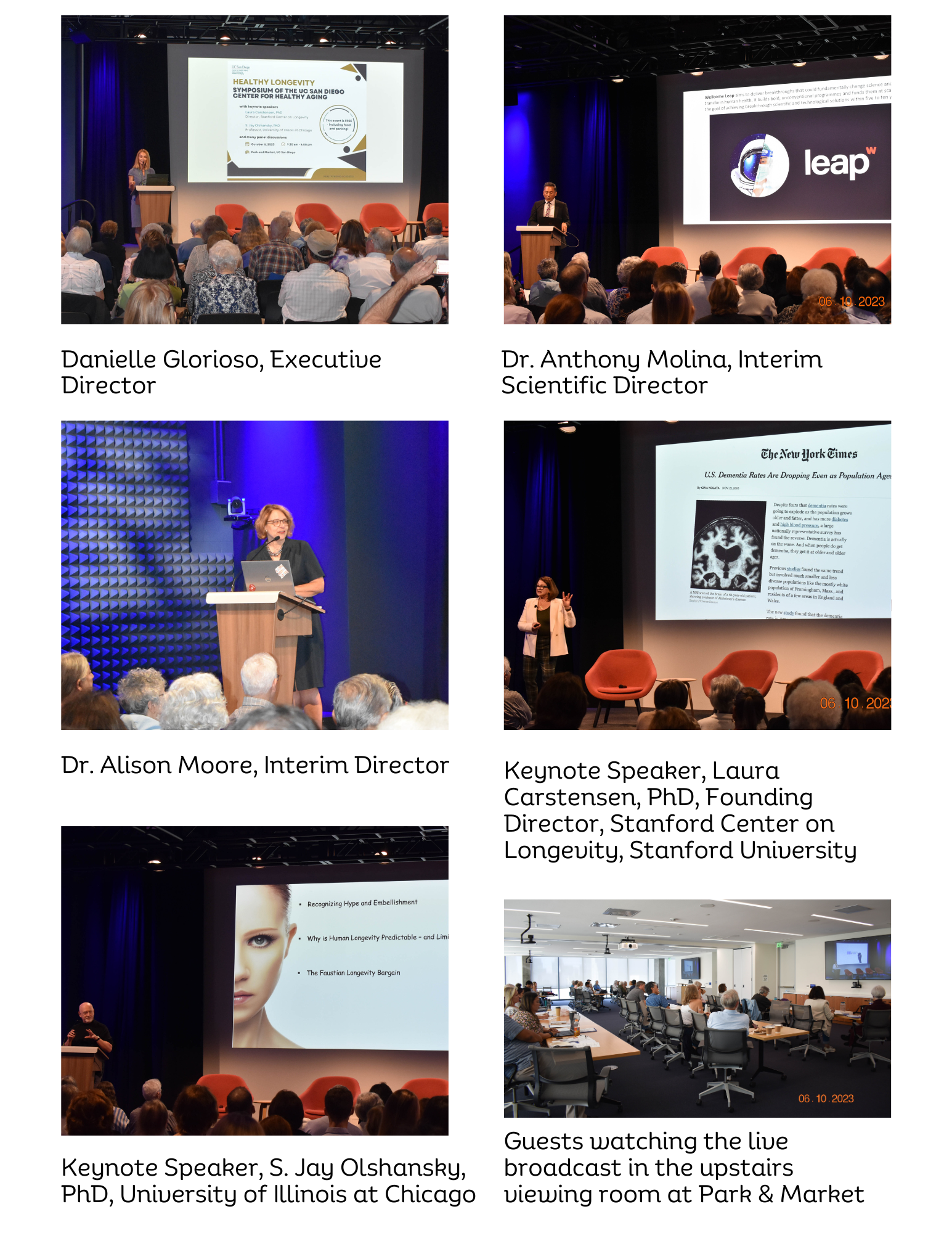
2023 Symposium of the UC San Diego Center for Healthy Aging
Thank you to those who attended our 2023 Healthy Longevity Symposium. In case you missed it, please enjoy links to videos, photos from the event, detailed agenda, and speaker bios below!
Videos from our 2023 Healthy Longevity Symposium
Interventions for Healthy Longevity
Healthy Aging: Social and Societal Implications
Drivers of Healthy Longevity
Healthy Longevity: A Scientist's Perspective
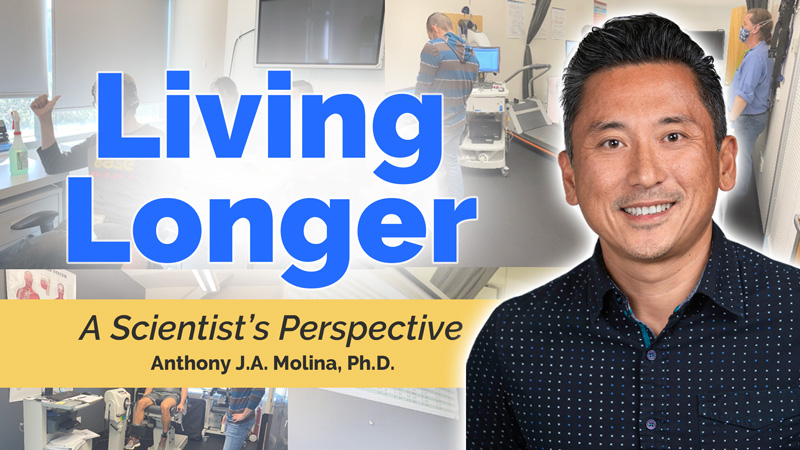 What drives human resilience? How can we harness resilience to improve the lives of older adults? Anthony J.A. Molina, Ph.D., shares how geroscience research is leading the way to longer, healthier, and more fulfilling lives.
Healthy Longevity: A Geriatrician's Perspective
View on UCTV
Photos
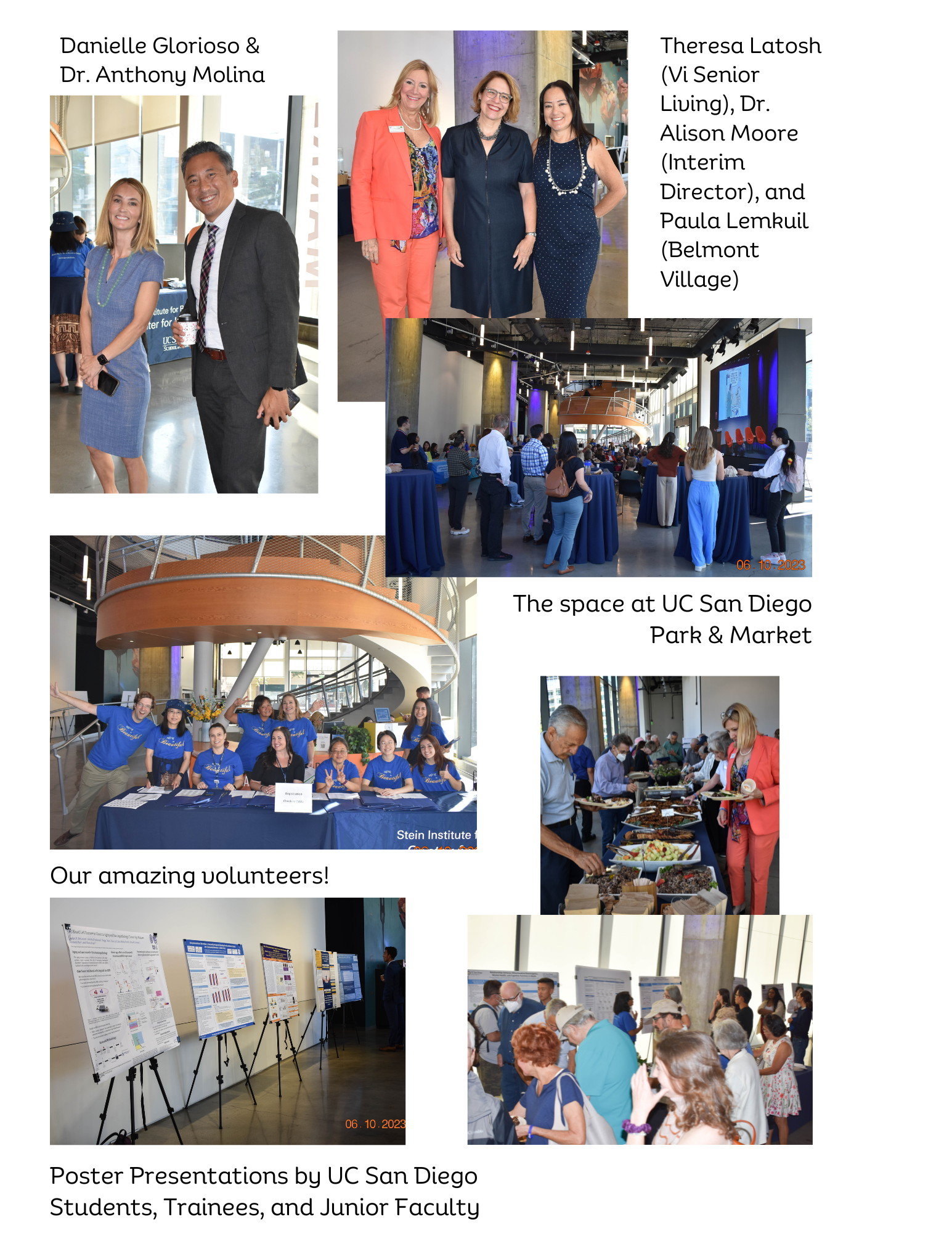
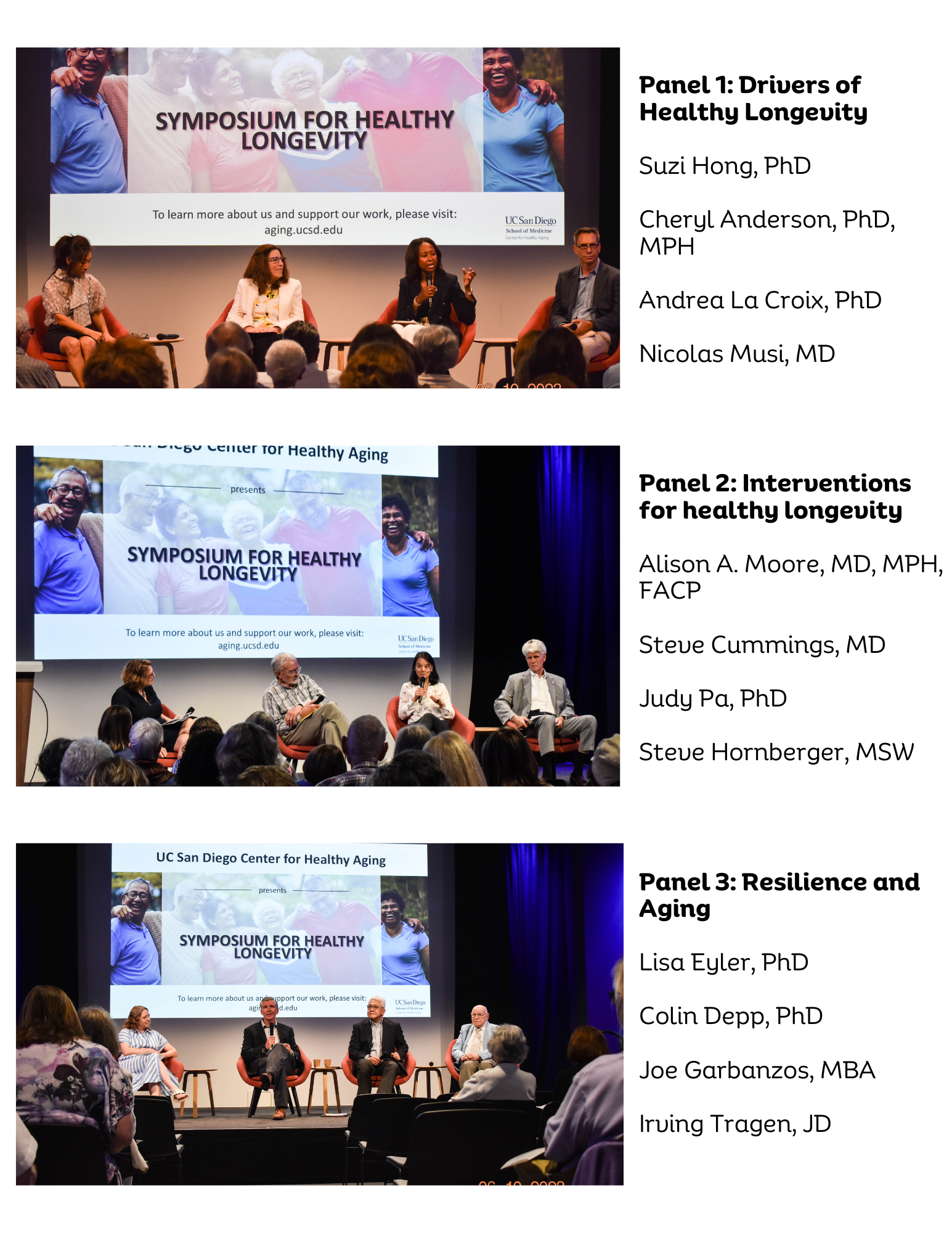
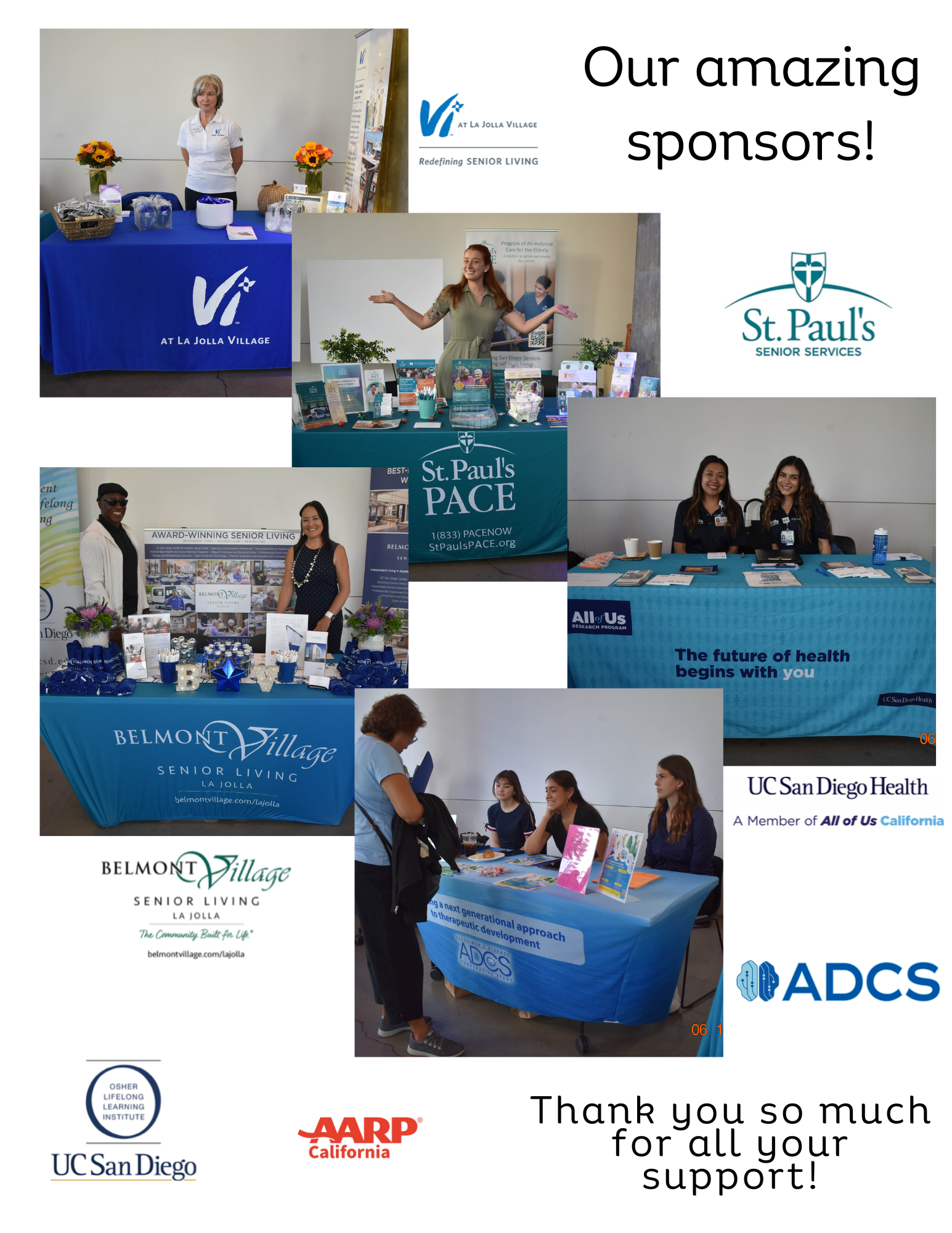
A huge thank you to our sponsors!
Click here to view the agenda from the day
Click here to read about our speakers
If you appreciate our community programming and events like our symposium please consider supporting us with a charitable donation here.
2021 Symposium
Healthy Aging in the Era of Pandemics:
On behalf of everyone at the UC San Diego Center for Healthy Aging, thank you to all who attended the 2021 Symposium: Healthy Aging in the Era of Pandemics on October 12, 2021.
This day-long event showcasing our latest research on aging. Topics included wisdom and social connections, healthy lifestyle and physical exercise, getting a good night's sleep, technology for seniors, electronic psychotherapies, magnetic brain stimulation, and more.
Download the Symposium Program and Agenda (PDF)Wisdom, Social Connections, and the Pandemic
Dilip Jeste, M.D., Senior Associate Dean for Healthy Aging and Senior Care, Distinguished Professor of Psychiatry and Neurosciences, UC San Diego Slides (PDF)
Electronic Psychotherapies/Cognitive Remediation
Tarek Rajji, M.D., Executive Director, Toronto Dementia Research Alliance; Professor, Department of Psychiatry, University of Toronto Slides (PDF)
John Torous, M.D., M.B.I., Director, Digital Psychiatry Division, Beth Israel Deaconess Medical Center, Assistant Professor, Harvard Medical School Slides (PDF)
Nutrition (Omega-3) and Physical Exercise
Mark Rapaport, M.D., CEO of Huntsman Mental Health Institute and Chair of Psychiatry, University of Utah Health Slides Slides (PDF)
Getting a Good Night's Sleep
Atul Malhotra, M.D., Professor and Research Chief of Pulmonary, Critical Care and Sleep Medicine, UC San Diego Slides (PDF)
Panel on Magnetic Brain Stimulation
Jeff Daskalakis, M.D., Ph.D., Professor and Dr. Igor and JoAnn Grant Endowed Chair of Psychiatry, UC San Diego Slides (PDF)
Sponsored in part by:
Interested in Becoming A Symposium Sponsor
Join us as a valued sponsor of our premier annual event, bringing together experts, researchers, and community leaders committed to advancing healthy aging and resilience across the lifespan.
Sponsorship opportunities offer meaningful visibility, engagement with attendees, and recognition across our digital platforms.
- Showcase your commitment to innovation and longevity
- Connect with thought leaders and changemakers
- Highlight your organization to a diverse and engaged audience
Interested in partnering with us?
Contact us at dglorioso@health.ucsd.edu
download sponsorship form pdf